Wat Thepthidaram The Reflection of Chinese Influence in Siam through Chino Thai Style
วัดเทพธิดาราม wat thepthidaram งานสถาปัตยกรรม แบบกระบวนจีน หรือแบบ Chino Thai Style
Exploring Wat Thepthidaram: A Historical and Architectural Gem in Bangkok
Bangkok, a city known for its vibrant culture and stunning temples, offers travelers an endless array of historical and architectural wonders. Among these treasures is Wat Thepthidaram, a temple often overlooked by the typical tourist, but a must-visit for those with an appreciation for history and unique architectural design.
A Brief History of Wat Thepthidaram
Wat Thepthidaram Woraviharn, commonly referred to as Wat Thepthidaram, was commissioned in 1836 by King Rama III as a gift to his daughter, Princess Wilat. Its name, which translates to “Temple of the Angelic Daughter,” reflects the royal connection. This historical significance makes the temple an important part of Bangkok’s cultural and spiritual heritage.
The temple is also renowned for its connection to the famous Thai poet, Sunthorn Phu, who resided here as a monk in the early 19th century. Sunthorn Phu is celebrated as Thailand’s greatest poet and a UNESCO-recognized literary figure. Visitors can explore a small museum within the temple dedicated to his life and works.
ในสมัยพระบาทสมเด็จพระนั่งเกล้าเจ้าอยู่หัว ทรงปฏิสังขรณ์วัดทั้งสิ้น 72 วัด แต่มีวัดเพียง 3 แห่งเท่านั้น ที่ทรงสร้างขึ้นใหม่ หนึ่งในนั้นคือวัดเทพธิดาราม พระบาทสมเด็จพระนั่งเกล้าเจ้าอยู่หัวได้โปรดฯ ให้สร้างเพื่อเฉลิมพระเกียรติพระราชทานแก่พระเจ้าบรมวงศ์เธอ กรมหมื่นอัปสรสุดาเทพ หรือ พระเจ้าลูกเธอ พระองศ์เจ้าวิลาส พระราชธิดาองค์ใหญ่ใน รัชกาลที่ 3 สร้างเมื่อปี พ.ศ. 2379 เข้าใจว่าเสร็จในปี พ.ศ. 2382 วัดแห่งนี้ เป็นสถาปัตยกรรมแบบที่เรียกกันว่ากระบวนจีน ซึ่งหมายถึง สถาปัตยกรรมที่ผสมผสานระหว่างพุทธศิลป์อย่างไทย กับจีน ซึ่งเป็นแบบพระราชนิยมในสมัยนั้น
วัดเทพธิดารามวรวิหาร เป็นพระอารามหลวงชั้นตรี ตั้งอยู่ที่ริมถนนมหาไชย เดิมชื่อ วัดบ้านพระยาไกรสวนหลวง วัดนี้เคยเป็นที่พำนักของสุนทรภู่ ซึ่งสุนทรภู่ ได้กล่าวถึงความงามของวัดเทพธิดา ในรำพันพิลาป ตอนหนึ่งว่า
“…
เคยเดินเล่นเย็นลมเลียบชมรอบ
ริมแขวงขอบเขตที่เจดีย์ฐาน
พระปรางค์มีสี่ทิศพิสดาร
โบสถ์วิหารการเปรียญล้วนเขียนทอง
ที่หน้าบันปั้นอย่างเมืองกวางตุ้ง
ดูเรืองรุ่งรูปนกผกผยอง
กระเบื้องเคลือบเหลือบสลับเหลี่ยมรับรอง
ศาลาสองหน้ารอบขอบกำแพง
สิงโตจีนตีนตัวน่ากลัวกลอก
ขยับขยอกแยกเขี้ยวเสียวแสยง
ที่ตึกก่อช่อฟ้าใบระกาแดง
ริมกำแพงตะพานขวางเคียงข้างคลอง”
แรกเริ่มของสถาปัตยกรรมแบบกระบวนจีนในสยาม
เมื่อครั้งพระบาทสมเด็จพระนั่งเกล้าเจ้าอยู่หัวทรงดำรงพระยศเป็นกรมหมื่นเจษฎาบดินทร์ ทรงโปรดให้ปฏิสังขรณ์พระอารามวัดจอมทอง เหมือนสร้างวัดใหม่ โดยทรงให้ช่าง นำเอาพุทธศิลป์แบบประเพณีนิยม ผสมผสานกับลักษณะสถาปัตยกรรม แบบกระบวนจีน ซึ่งเชื่อว่า แข็งแรงมั่นคง ซึ่ง จอห์น ครอฟอร์ด ได้บันทึกถึงความงามวัดจอมทอง ว่า
“…ซึ่งวัดที่เจ้ากรมเจษทรงสร้างอยู่ ชื่อวัดจันทอง …(มีข้อความส่วนอื่น-ผู้เขียน)….วัดนี้สร้างขึ้นอย่างงดงาม คงเป็นเพราะในกรมซึ่งเป็นเจ้าของวัดนั้น ทรงว่าการกรมท่า ทรงได้รับผลประโยชน์จากการติดต่อค้าขายกับจีนอย่างกว้างขวาง…”
ลักษณะศิลปะสถาปัตยกรรมนี้ ได้รับความนิยมในสมัยรัชกาลที่ 3 และได้รับการขนานนามว่า “สถาปัตยกรรมแบบพระราชนิยมในพระบาทสมเด็จพระนั่งเกล้าเจ้าอยู่หัว”
การจัดวางผัง วัดเทพธิดารามวรวิหาร wat thepthidaram
วัดเทพธิดารามวรวิหาร ได้รับการออกแบบการวางผังภายใต้คตินิยมเดิม กล่าวคือ ผังเป็นรูปสี่เหลี่ยมผืนผ้า โดยด้านหน้าวัดหันไปยังถนนเลียบกำแพงพระนครติดกับคลองคูเมือง พื้นที่ใช้สอยภายในแบ่งเป็น 2 ส่วน คือส่วนพุทธาวาส และส่วนสังฆาวาส แบ่งเขตด้วยถนนขนานไปกับกำแพงแก้ว ส่วนการจัดวางผังอาคารนั้น เป็นลักษณะ 3 แนวแกนประธาน คือการจัดวางเรียงขนานกันระหว่าง พระอุโบสถ พระวิหาร และการเปรียญ โดยเน้นความสำคัญของอาคารหลังกลางเป็นแนวแกนหลัก
สถาปัตยกรรมที่สำคัญ ประกอบด้วย
พระอุโบสถ
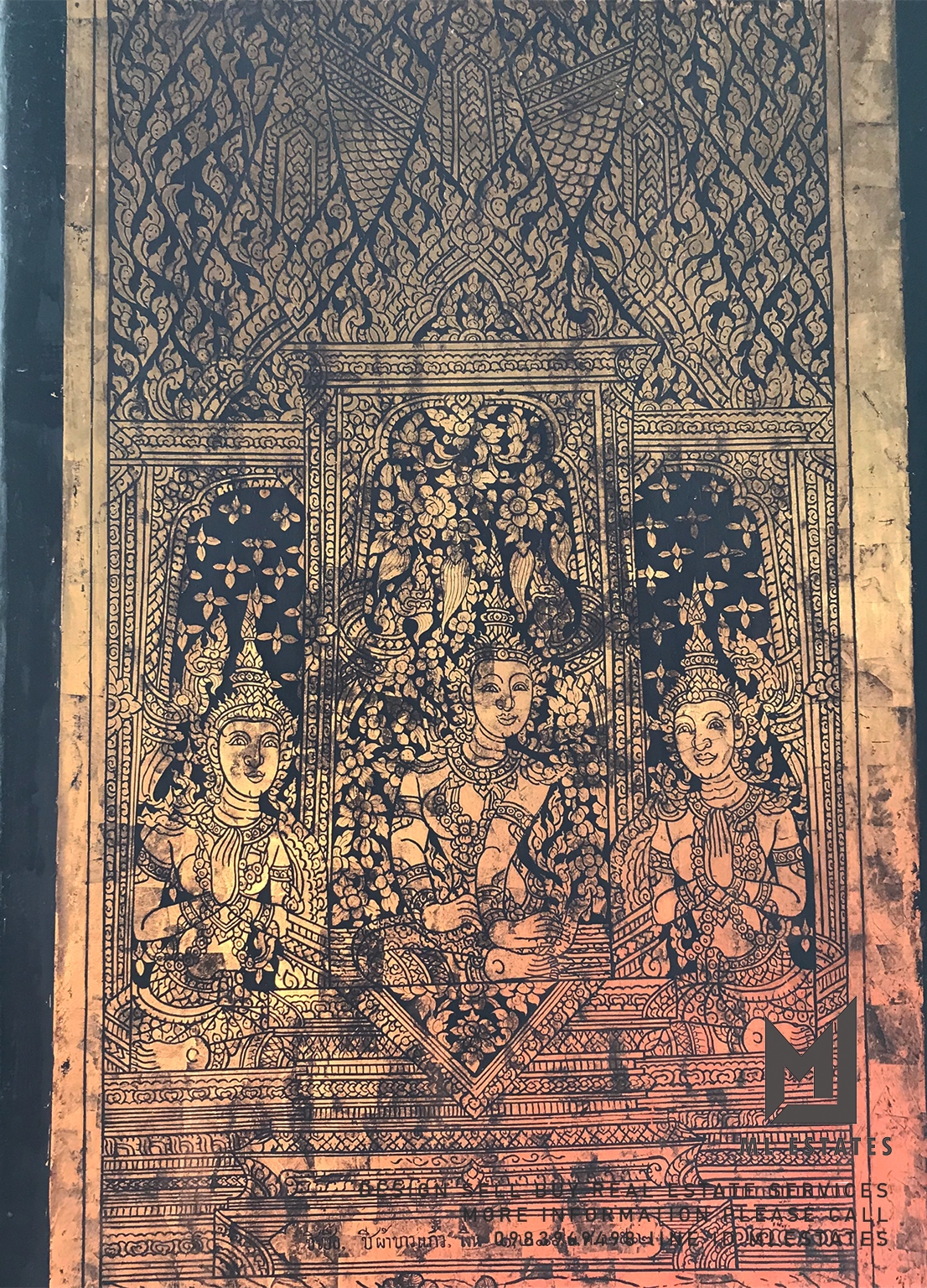
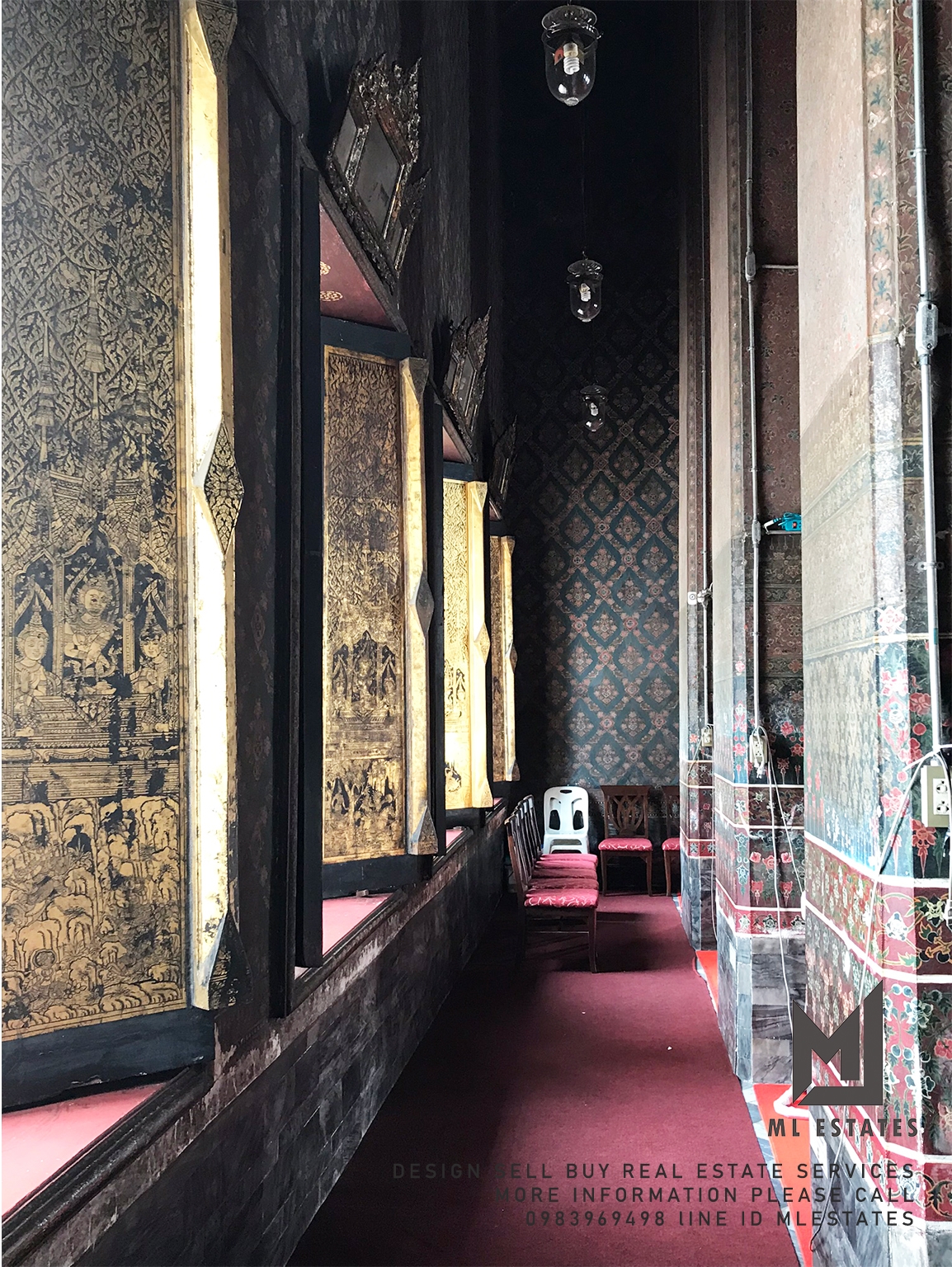
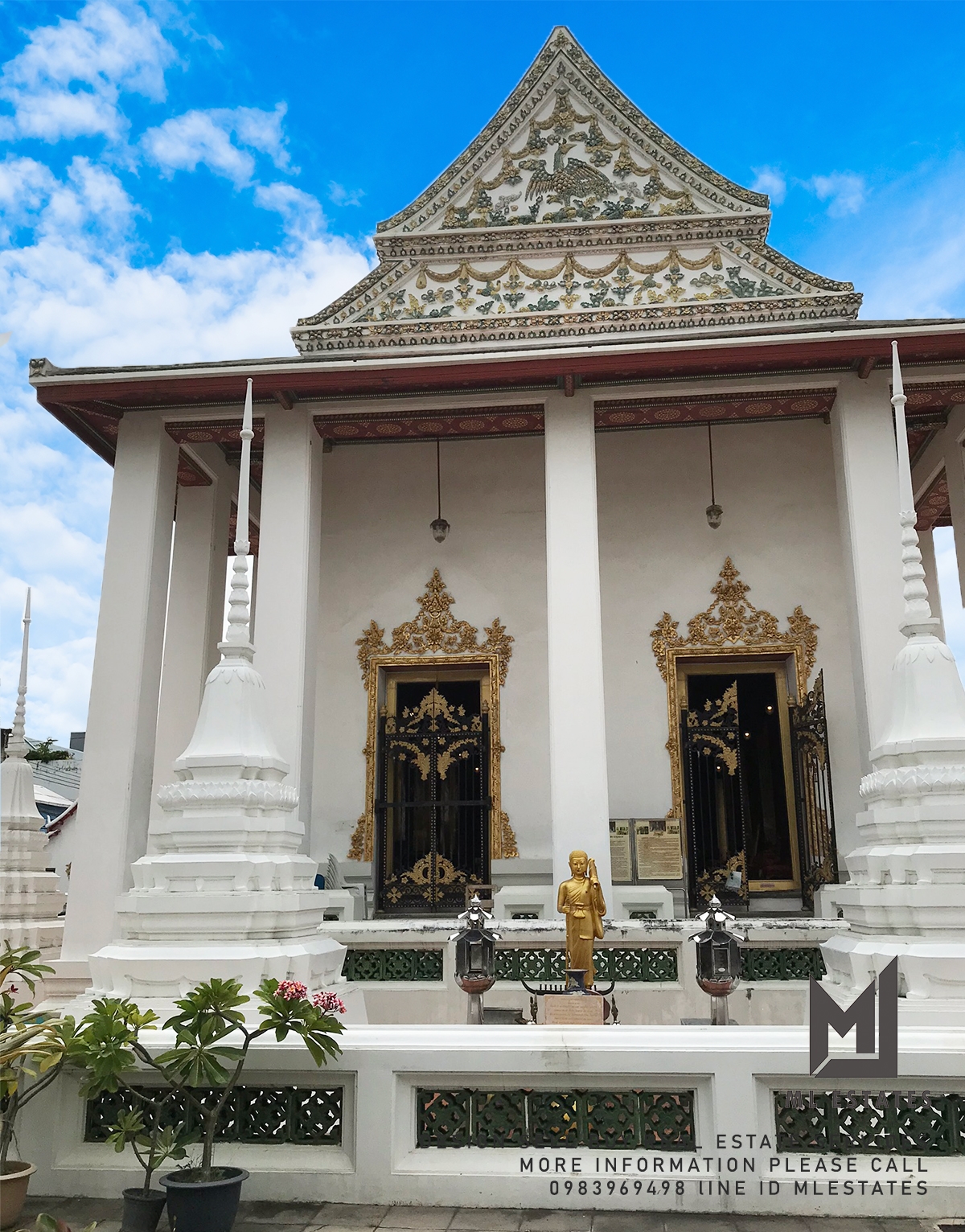
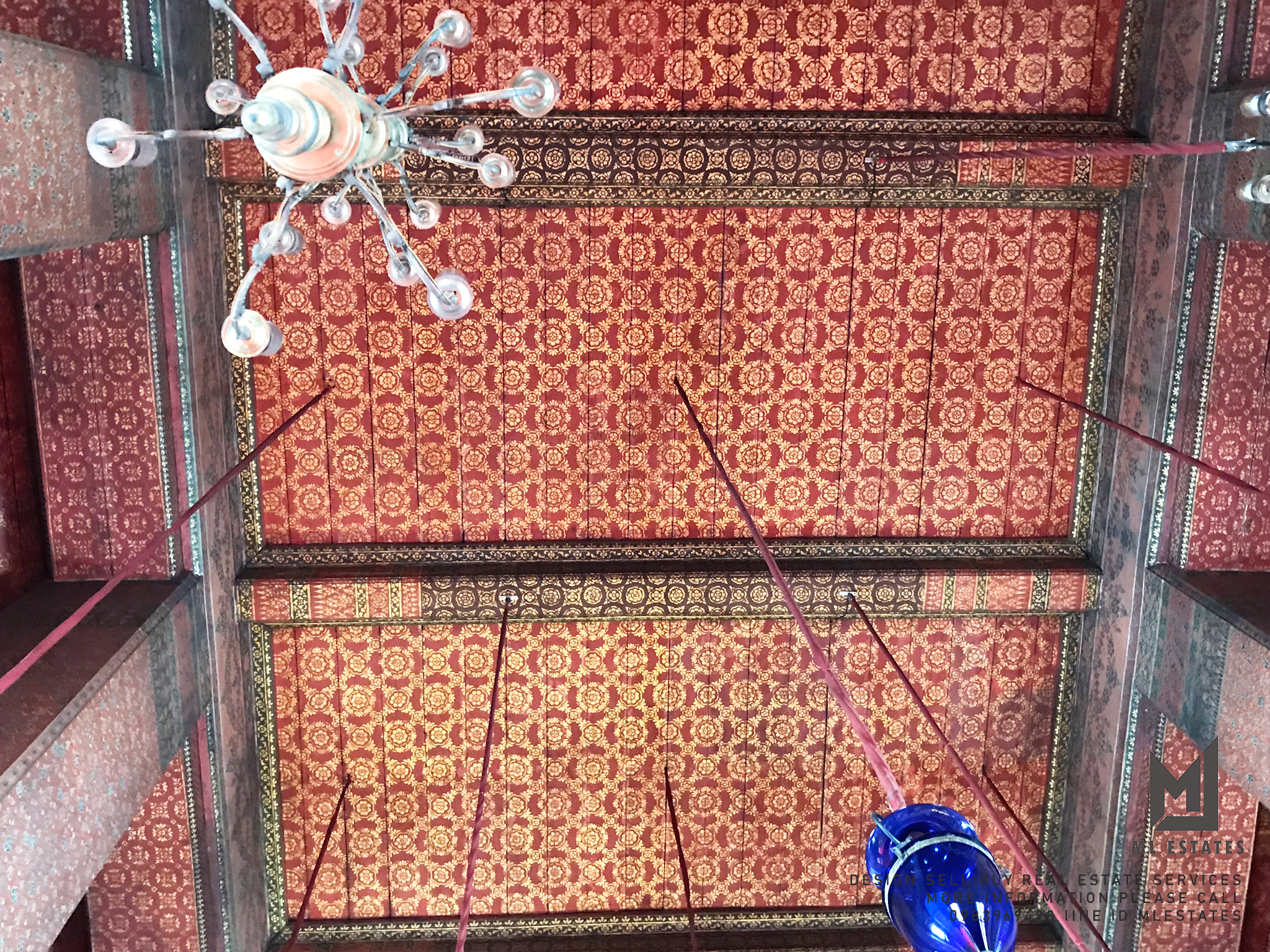
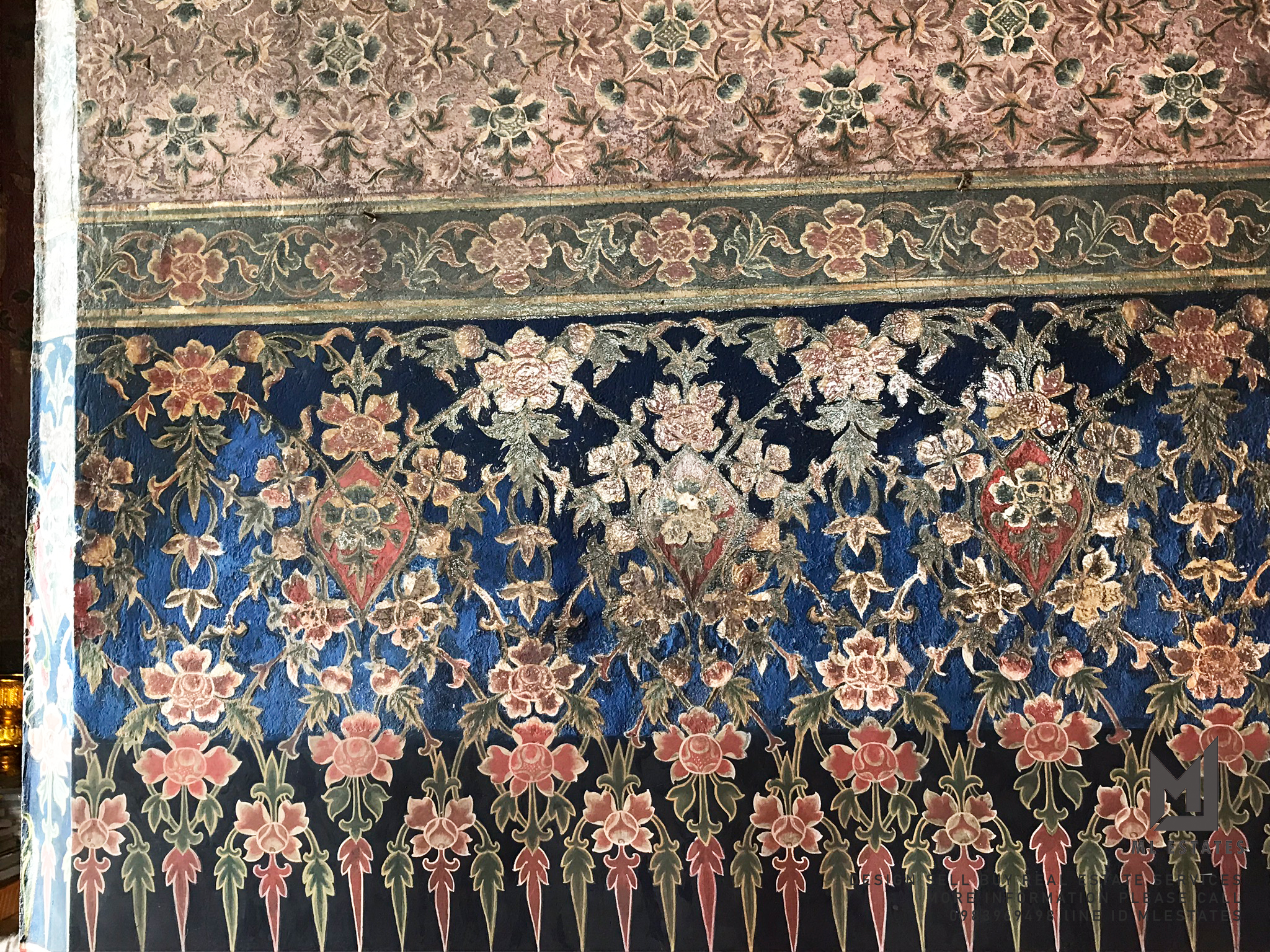
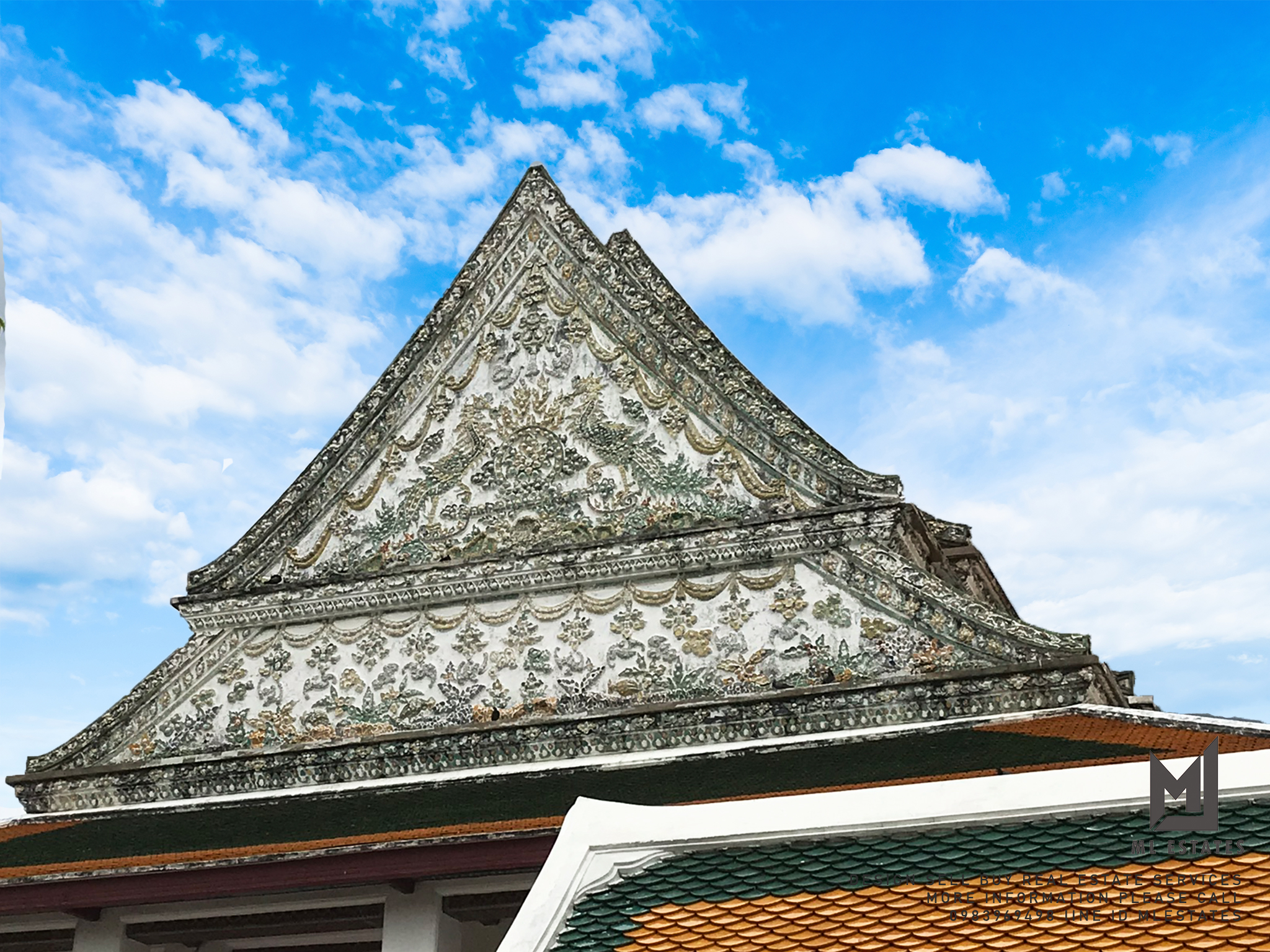
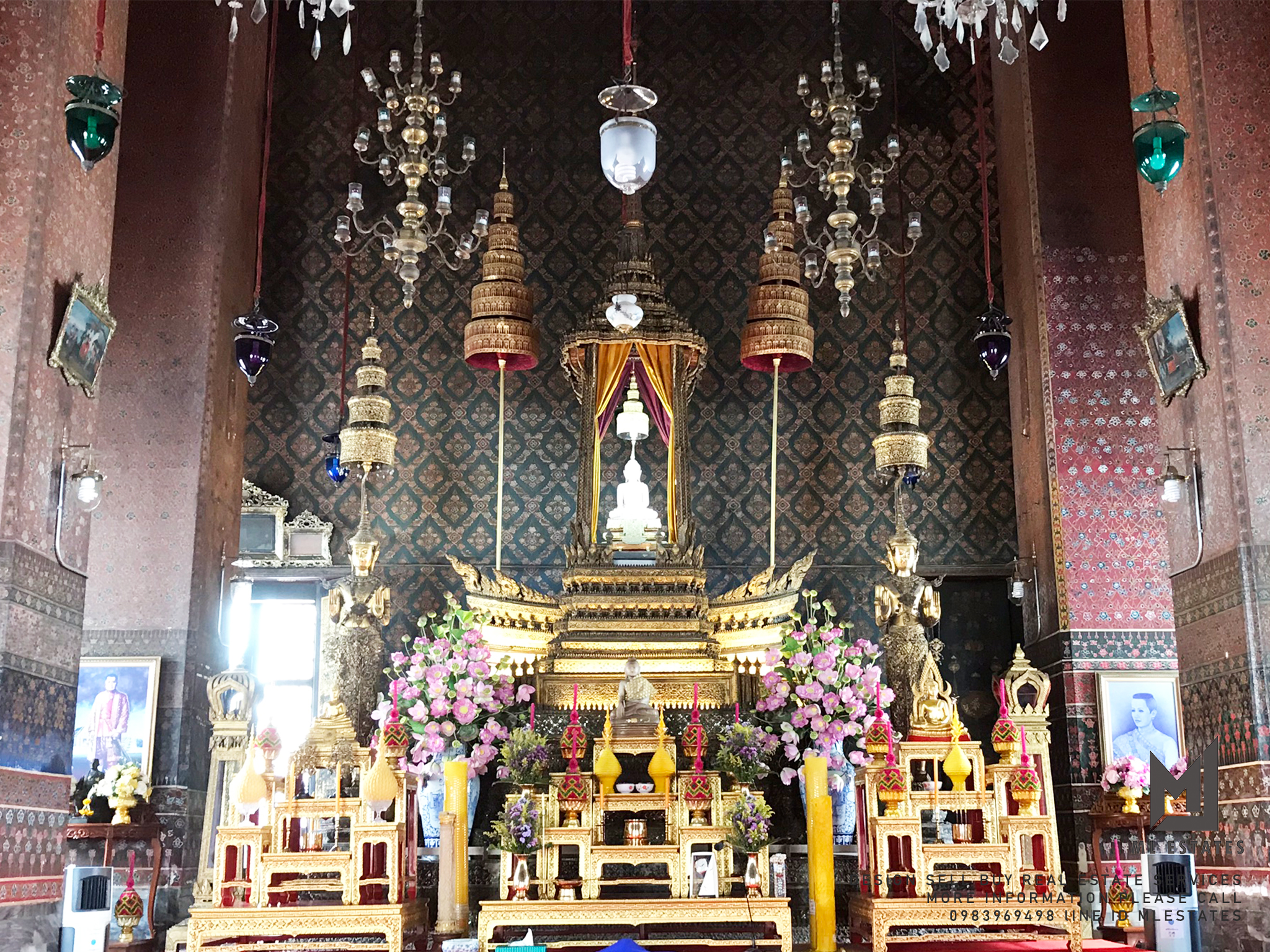
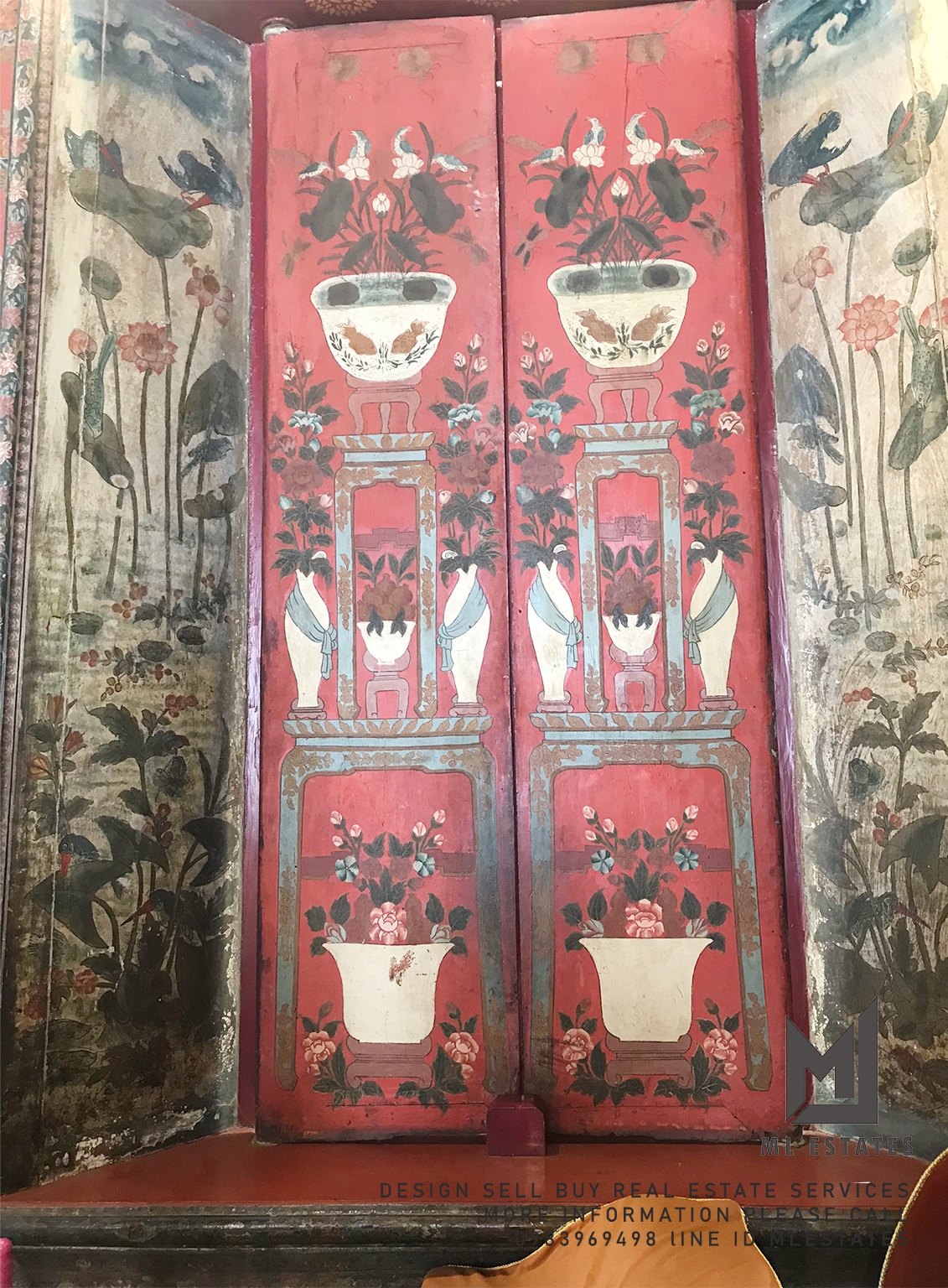
พระอุโบสถวัดเทพธิดาราม เป็นอาคารก่ออิฐถือปูน สูง 16 เมตร หลังคาซ้อน 2 ชั้น มุงกระเบื้องสีแบบไทย หน้าบันเป็นปูนปั้น ประดับกระเบื้องเป็นรูปพญานกและลวดลายทิวทัศน์แบบจีนในตอนล่าง ฐานพระอุโบสถเป็นฐานสิงห์มีระเบียงรอบพระอุโบสถ ภายในมีภาพเขียนสีด้วยสีฝุ่น บานหน้าต่างและบานประตูเป็นลายโคมจีน แจกันดอกไม้ ฝาผนังและเสามีภาพใส่กรอบเป็นเรื่องราวเกี่ยวกับเกร็ดพงศาวดารจีน
พระวิหาร
ก่ออิฐถือปูนหลังคาซ้อน 2 ชั้น หน้าบันทั้งด้านหน้าและด้านหลังมีลวดลายเหมือนกันกับพระอุโบสถ ซุ้มประตูและหน้าต่างเป็นปูนปั้นปิดทองลายดอกพุดตาน บานประตูหน้าต่างด้านนอกมีลวดลายประดับ ลายรดน้ำทวารบาล ดอกพุดตาน และภาพพุทธประวัติ บานประตูหน้าต่างด้านในเขียนสีลวดลาย
ศาลาการเปรียญ
ศาลาการเปรียญก่ออิฐถือปูนทรงโรงแบบมีหน้ามุขหลัง ฐานเป็นฐานสิงห์ พนักระเบียงประดับด้วยกระเบื้องปรุลายดอกประจำยาม หลังคาหลังคาซ้อน 2 ชั้น ไม่มีช่อฟ้า ในระกา หางหงส์ หน้าบันด้านหน้าและด้านหลังมีลวดลายเหมือนกัน ซุ้มประตูหน้าต่างเป็นลายปูนปั้นดอกไม้บาน บานหน้าต่างเป็นลายรดน้ำ ส่วนบนเป็นลายดอกพุดตาน ส่วนล่างเป็นเรื่องพุทธชาดก
ศาลาราย
ศาลารายมีทั้งหมด 10 หลัง สร้างคร่อมกำเพงพระอุโบสถ 8 หลัง ใช้เป็นที่พักอาศัยบำเพ็ญกุศล และเป็นสถานที่ศึกษาพระปริยัติธรรมของพระภิกษุสามเณร พระวิหารน้อย มี 2 หลังตั้งอยู่ภายในกำแพงพระวิหารใหญ่
พระปรางค์
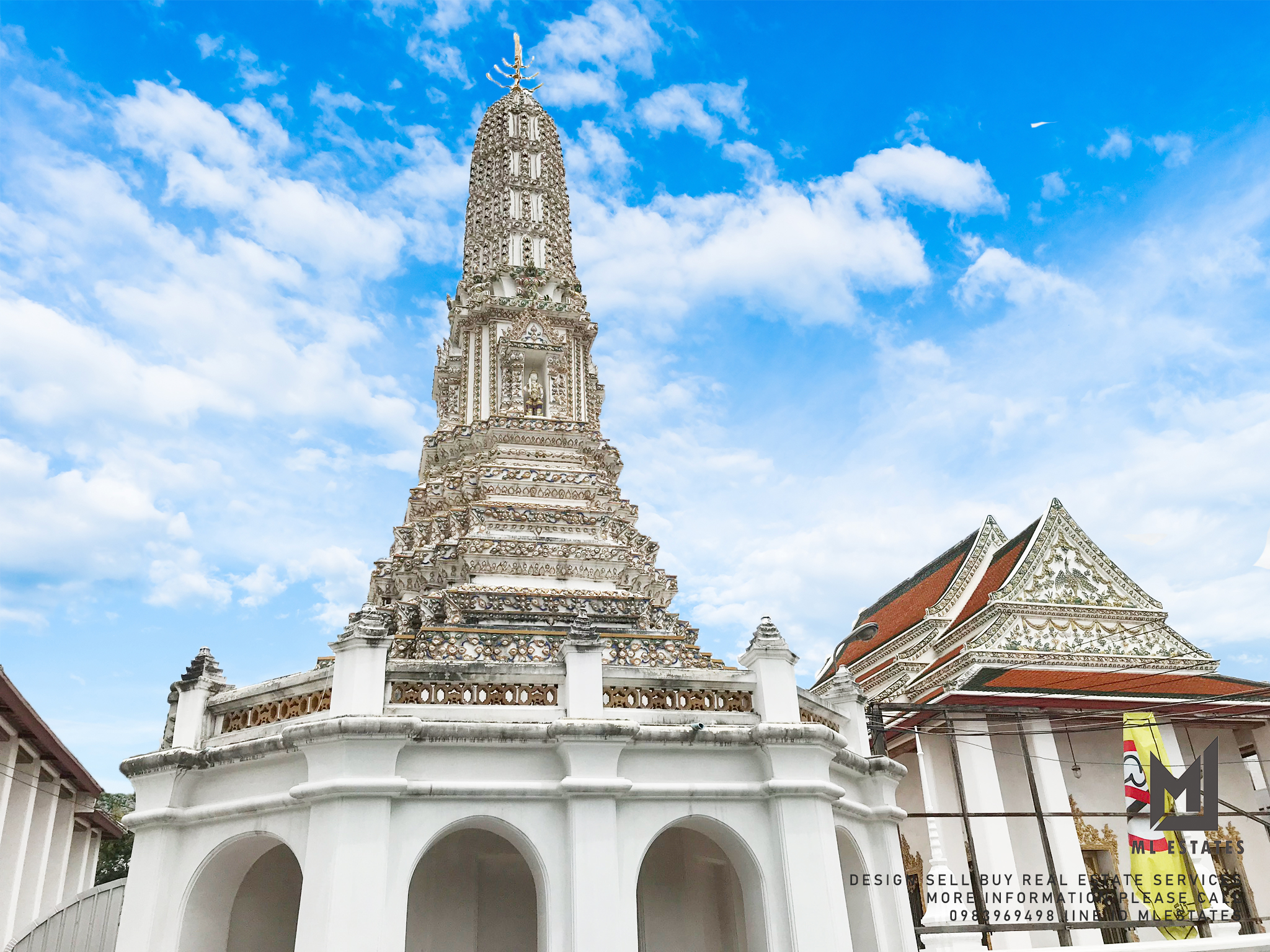
พระปรางค์มีทั้งหมด 4 องค์ ตั้งประจำทิศทั้ง 4 ของมุมพระอุโบสถ คือ ทิศตะวันออกเฉียงเหนือ ทิศตะวันออกเฉียงใต้ พระปรางค์ทั้ง 4 นี้ ที่ฐานปรางค์แต่ละองค์มีท้าวจตุโลกบาล คือ ท้าวธตรฐ วิรุฬหก วิรูปักข์ และกุเวร ประจำรักษาในทิศทั้ง 4
Unique Architectural Features
Wat Thepthidaram stands out from other temples in Bangkok due to its blend of Thai and Chinese architectural styles, a hallmark of the Third Reign period. The temple’s design reflects King Rama III’s admiration for Chinese art and culture, seen in the use of ceramic tiles, floral motifs, and Chinese-style gables.
Key architectural highlights include:
- Ubosot (Ordination Hall): The main hall features white walls adorned with colorful porcelain tiles. The simplicity of its design emphasizes elegance and tranquility, making it a peaceful space for reflection.
- Chinese-Influenced Chedis: The temple grounds are dotted with small, intricately decorated stupas (chedis) showcasing a Chinese aesthetic, a rarity in Thai temple design.
- Sim (Monk’s Quarters): The monk’s quarters feature simple yet striking architectural elements, with geometric patterns and a harmonious layout that mirrors the principles of Buddhist mindfulness.
What to See and Do
- Sunthorn Phu Museum: A small museum within the temple grounds celebrates the life and legacy of Sunthorn Phu. Visitors can view artifacts, manuscripts, and exhibits that offer insight into his poetic contributions.
- Admire the Mural Paintings: The interior of the Ubosot is adorned with murals depicting Buddhist cosmology and stories, offering a glimpse into the artistic craftsmanship of the period.
- Explore the Peaceful Courtyard: Unlike the busier temples in Bangkok, Wat Thepthidaram offers a serene atmosphere. Take a leisurely stroll around the courtyard, where you can appreciate the intricate details of the temple’s architecture.
How to Visit
- Location: Wat Thepthidaram is located in the Old City of Bangkok, near other iconic landmarks such as the Giant Swing and Wat Suthat.
- Hours: Open daily from 8:00 AM to 5:00 PM.
- Entrance Fee: Free, but donations are encouraged to support the temple’s upkeep.
Tips for Visitors
- Dress respectfully, as Wat Thepthidaram is an active place of worship. Ensure your shoulders and knees are covered.
- Visit early in the morning to enjoy the temple’s tranquility before the heat of the day sets in.
- Pair your visit with a trip to nearby historical sites to make the most of your time in the Old City.
Why Visit Wat Thepthidaram?
For history enthusiasts, Wat Thepthidaram offers a direct connection to Thailand’s royal past and literary heritage. For architecture lovers, the temple’s blend of Thai and Chinese styles provides a unique perspective on Bangkok’s cultural diversity. Whether you’re seeking inspiration, peace, or knowledge, Wat Thepthidaram promises a memorable experience that enriches your understanding of Thailand’s rich history.
Add Wat Thepthidaram to your itinerary, and discover why this understated gem continues to captivate the hearts of visitors who venture off the beaten path.
**********************************************************
ประวัติผู้เขียนบทความ
มนต์ทิพย์ ลินน์ อัสโสรัตน์กุล Montip Lynn Assoratgoon
- เลขาธิการใหญ่ Asia Pacific Space Designers Association 2023 – ปัจจุบัน
- อุปนายกฝ่ายต่างประเทศ สมาคมมัณฑนากรแห่งประเทศไทย 2007 – ปัจจุบัน
- Board Member Asia Pacific Space Designers Association 2017 – 2021
- Committee APSDA College of Fellows 2021 – ปัจจุบัน
- Founder/ Director ML Estates
- อาจารย์พิเศษ
- นักเขียนนวนิยาย นามปากกา อลินน์ , ออนนี่ดีว่า
**********************************************************
#designtalkbymontiplynn #mlestatesbkk #thaiarchitecture #thaitemple #วัดเทพธิดาราม #สถาปัตยกรรมไทย


