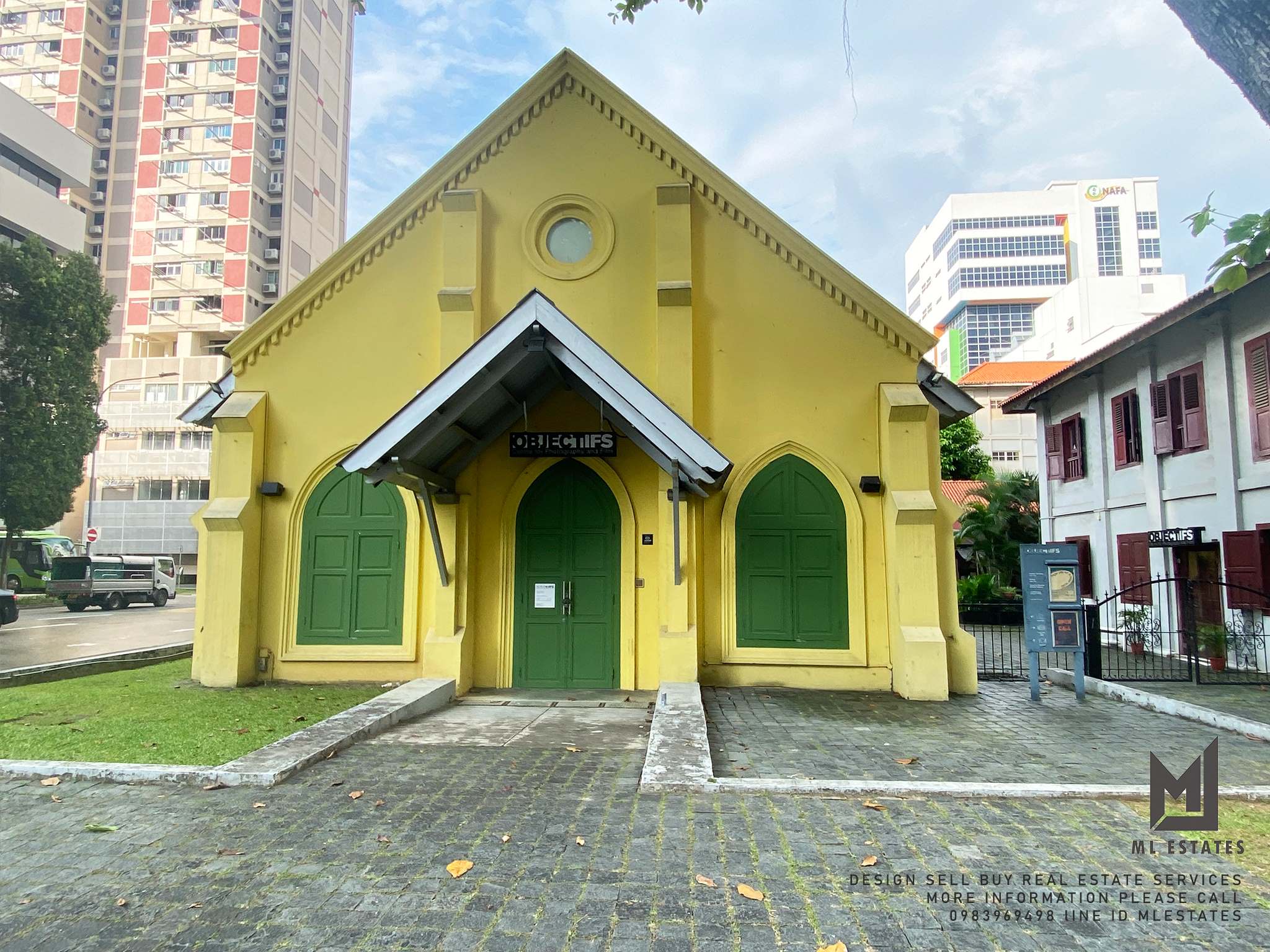
รีโนเวท ปรับโบสถ์เก่าเป็นแกเลอรี่ The Middle Road Church สิงคโปร์
การ รีโนเวท อาคารเก่าเพื่อปรับประโยชน์ใช้สอยใหม่ถือเป็นการอนุรักษ์อาคารที่มีคุณค่าในหลายด้าน ไม่เพียงแต่ช่วยรักษาเอกลักษณ์และประวัติศาสตร์ของอาคาร ยังสามารถลดผลกระทบต่อสิ่งแวดล้อมโดยการใช้ทรัพยากรที่มีอยู่แล้ว แทนที่จะสร้างอาคารใหม่ทั้งหมด
The Middle Road Church โบสถ์เก่าอายุ 150 ปี กับแนวทางอนุรักษ์อาคารเก่าในสิงคโปร์
Middle Road Church, also known as the Trinity Theological College Chapel, is a historic building in Singapore that reflects the country’s rich architectural and cultural heritage. Here’s a brief overview of its history and conservation efforts:
History
- Founded in 1948: The church was established by the Methodist Church in Singapore, serving as a place of worship and community gathering.
- Architectural Significance: The building showcases a mix of architectural styles, with notable elements of modernist design. Its structure and interior are significant for their aesthetic and cultural value, representing the evolution of religious architecture in Singapore.
Conservation Project
- Preservation Efforts: In recognition of its historical and cultural importance, conservation efforts have been undertaken to restore and maintain the church’s structural integrity while preserving its original features.
- Modern Adaptations: The project includes adaptations for modern use, ensuring the building meets contemporary needs while respecting its heritage. This may involve upgrading facilities, improving accessibility, and enhancing energy efficiency.
- Community Engagement: The conservation process often involves engaging the community and stakeholders to ensure that the building continues to serve its purpose and retains its significance to local residents.
Overall, the conservation of Middle Road Church is an important effort to preserve Singapore’s architectural history while allowing for its continued use in a modern context.
The trend of conserving buildings in real estate has been gaining momentum for several reasons:
1. Sustainability Focus
- Environmental Benefits: Renovating existing structures reduces waste and minimizes the environmental impact compared to new construction. This aligns with global sustainability goals.
- Resource Efficiency: Using existing materials and structures can significantly lower resource consumption and carbon footprints.
2. Cultural Heritage Preservation
- Historical Value: Many older buildings have cultural and historical significance, attracting buyers and tenants interested in unique character and stories.
- Community Identity: Preserving historical buildings fosters a sense of community and continuity, enhancing local identity.
3. Regulatory Support
- Incentives: Many governments offer tax incentives, grants, or zoning allowances for the conservation and adaptive reuse of historic buildings.
- Preservation Laws: Increased awareness of heritage preservation leads to more stringent regulations protecting historical sites.
4. Market Demand
- Unique Spaces: There is growing demand for unique and character-rich properties, particularly among millennials and urban dwellers who prefer distinct living or working environments.
- Mixed-Use Developments: Many conserved buildings are being transformed into mixed-use spaces, combining residential, commercial, and recreational uses, appealing to diverse demographics.
5. Adaptive Reuse
ประเทศสิงคโปร์ แม้จะมีพื้นที่เพียง 728 ตารางกิโลเมตร ทำให้ราคาที่ดินพุ่งขึ้นสูง การใช้พื้นที่แต่ละตารางเมตรต้องเกิดความคุ้มค่าสูงสุด แต่อาคารเก่าหลายหลัง กลับได้รับการอนุรักษ์ไว้อย่างดี เพราะความตระหนักถึงคุณค่า ทั้งด้านประวัติศาสตร์ และด้านความเป็นชาติ อาคารเก่าเหล่านี้จึงเป็นเหมือนทรัพยกรด้านวัฒนธรรม และการอนุรักษ์อาคารเหล่านี้ ได้ถูกระบุให้เป็นส่วนหนึ่งของกลยุทธแผนพัฒนาเมือง
The Middle Road Church ก็เช่นกัน ตัวอาคารถูกสร้างเมื่อ ค.ศ. 1870 – 1875 เริ่มต้นเป็นอาคารสถาบันคริสเตียน และถูกขานนามอย่างเป็นทางการ ในฐานะ โบสถ์มาเลย์ ในปี ค.ศ. 1894 และทำหน้าที่เป็นโบสถ์เรื่อยมา (บางช่วง ทำหน้าที่เป็นโรงเรียนด้วย) ในช่วงสงครามโลกครั้งที่ 2 อาคารหลังนี้ เปลี่ยนบทบาทกลายเป็นร้านอาหาร และหลังจากสงคราม ได้เปลี่ยนหน้าที่ไปทางพาณิชย์ (อู่ซ่อมรถ)
ปัจจุบัน อาคารหลังนี้เปลี่ยนบทบาทใหม่อีกครั้ง เป็นสถานที่จัดแสดงศิลปะ ทั้งจากศิลปินในประเทศ และต่างประเทศ รวมถึงศิลปะร่วมสมัยสามมิติ โดยเริ่มบทบาทอย่างเป็นทางการในปี ค.ศ. 1999
#designtalkbymontiplynn #architecture #preservation #oldbuilding


