ML Estates ผู้บริหารร่วมเปิดโครงการ AP IP AP ที่ประเทศฟิลิปปินส์
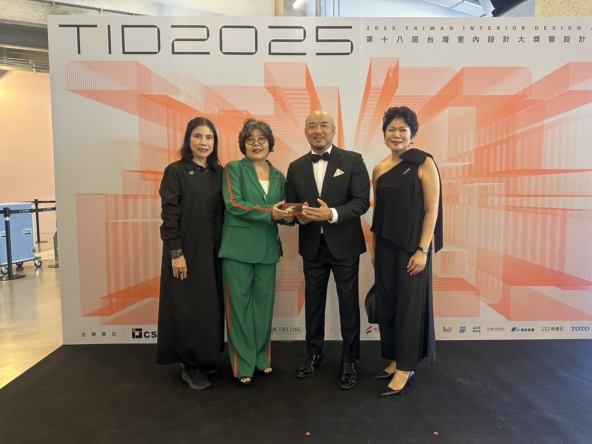
คุณมนต์ทิพย์ ลินน์ อัสโสรัตน์กุล ผู้บริหาร ML Estates Contact ในฐานะ เลขาธิการใหญ่ Asia Pacific Aspac Designer Association หรือ APSDA เข้าร่วมเปิดโครงการ AP IP AP ณ กรุงมนิลา ประเทศฟิลิปปินส์ เมื่อวันที่ 19 กรกฎาคม 2567 ที่ผ่านมา
สำหรับ AP IP AP เป็นการรับรองสถานะของอาชีพออกแบบตกแต่งภายใน จัดโดย APSDA ซึ่งประกอบด้วยสมาชิกจากประเทศต่างๆ รวมถึงเขตการปกครองพิเศษ รวมแล้ว 16 องค์กร ได้แก่ ประเทศไทย ฟิลิปปินส์ อินโดนีเซีย ญี่ปุ่น เกาหลีใต้ ออสเตรเลีย มาเลเซีย สิงคโปร์ อินเดีย เนปาล ฮ่องกง ไต้หวัน เวียดนาม มณฑลยูนนาน
The importance of interior design profession accreditation in the Asia-Pacific region varies by country, but several key points highlight its significance:
1. Professional Standards and Credibility:
Accreditation ensures that interior designers meet specific professional standards, enhancing their credibility and trustworthiness. This is particularly important in countries where clients seek assurance of quality and professionalism.
2. Regulatory Compliance:
In some Asia-Pacific countries, accreditation is necessary to comply with local regulations and industry standards. This ensures that interior designers adhere to safety codes, building regulations, and other legal requirements.
3. Competitive Advantage:
Accredited interior designers often have a competitive edge in the market. Clients may prefer to work with accredited professionals, knowing they have met rigorous standards and possess the necessary skills and knowledge.
4. International Recognition:
Accreditation can provide international recognition, making it easier for interior designers to work across borders within the Asia-Pacific region and beyond. This is particularly relevant in a globalized market where clients and projects may span multiple countries.
5. Continuous Professional Development:
Accredited professionals are often required to engage in continuous professional development (CPD) to maintain their accreditation. This ensures they stay updated with the latest trends, technologies, and best practices in interior design.
6. Enhanced Client Confidence:
Accreditation can boost client confidence in the designer’s ability to deliver high-quality and innovative design solutions. This can lead to more business opportunities and client referrals.
Country-Specific Examples:
- Australia and New Zealand: These countries have well-established accreditation systems through organizations like the Design Institute of Australia (DIA) and the New Zealand Institute of Architects (NZIA). Accreditation is seen as a mark of professional excellence.
- Singapore: The Society of Interior Designers Singapore (SIDS) offers accreditation, which is highly regarded in the industry. It helps designers gain recognition and trust from clients and peers.
- Hong Kong: The Hong Kong Interior Design Association (HKIDA) provides accreditation, enhancing the professional standing of interior designers and ensuring adherence to industry standards.
Accreditation in the interior design profession is crucial in the Asia-Pacific region for maintaining high professional standards, ensuring regulatory compliance, gaining a competitive advantage, and enhancing client confidence. The importance of accreditation is recognized across various countries in the region, contributing to the overall growth and development of the interior design industry.
สำหรับประเทศไทย อาชีพออกแบบตกแต่งภายใน ถือเป็นอาชีพควบคุมภายใต้การดูแลของสภาสถาปนิก ผู้ประกอบวิชาชีพ จะต้องได้รับใบอนุญาตประกอบวิชาชีพ
ML Estates : บริการนายหน้าอสังหาริมทรัพย์ครบวงจร
ML Estates เป็นบริษัทนายหน้าอสังหาริมทรัพย์ ซึ่งให้บริการที่หลากหลายเพื่อตอบสนองความต้องการของลูกค้าในทุกด้านของอสังหาริมทรัพย์ ไม่ว่าจะเป็นการให้คำปรึกษาสินเชื่อ การฝากขาย ฝากเช่า การซื้อขายอสังหาริมทรัพย์ และบริการอื่น ๆ ที่เกี่ยวข้อง